SMART WATER BOX  ·  Explore the DIY water-from-air concept
A fresh perspective on water independence

Explore the Idea of Creating Water From Air

Discover Smart Water Box, a DIY blueprint that introduces the principles behind atmospheric water generation. Learn how moisture can be collected from air, what the process involves, and which practical factors matter before getting started.

Digital information and DIY blueprint offer. Review the vendor's current details before purchasing.
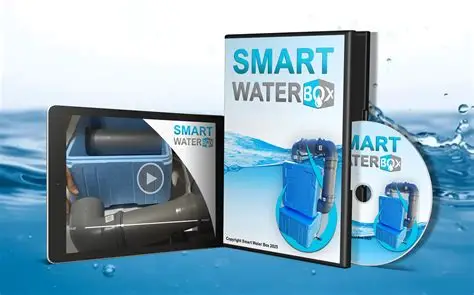
Smart Water Box product presentation showing the branded box, disc and tablet with a water-generation demonstration
◎ Understand the basic science
⌁ Consider climate and humidity
✓ Review details before you buy
☁
Air intakeAmbient air contains water vapor
❄
CondensationCooling can turn vapor into liquid
≋
Collection and treatmentCollected water needs appropriate treatment
What is Smart Water Box?

A DIY blueprint built around atmospheric water generation

Smart Water Box is presented as a digital DIY information product about creating a water collection setup that draws on moisture in the surrounding air. Rather than assuming that a ready-made appliance will arrive, visitors should review the vendor's checkout details to understand exactly what is included and how access is provided.

The underlying concept is known as atmospheric water generation (AWG). AWG systems use methods such as cooling or desiccants to capture water vapor from air. The amount collected depends on the system design and environmental conditions.

Good to know: This page describes the concept and the information product, not a tested water-producing appliance. Confirm the product format, components, requirements and instructions with the vendor before making a purchase.
How the concept works

Understanding the Water-From-Air Process

Atmospheric water generation follows a sequence of collection and treatment stages. Actual equipment and performance vary by design.

01

Draw in surrounding air

A fan or airflow mechanism moves ambient air through the collection system. Air naturally contains varying amounts of water vapor.

02

Capture moisture

Some AWG designs cool air so water vapor condenses. Other designs use moisture-absorbing materials and a regeneration stage.

03

Collect the water

Condensed moisture is directed into a collection area. Clean surfaces and suitable materials are important for water quality.

04

Treat and store safely

Collected water requires appropriate filtration, disinfection, hygienic storage and testing for its intended use.

Explore another approach

Atmospheric water generation can be explored through different DIY concepts and system designs. For another perspective on producing water from air, take a look at the Water Freedom System, which presents a separate DIY approach to this subject.

The science behind AWG

What Influences Atmospheric Water Generation?

Water-from-air systems rely on environmental conditions and engineering choices. Understanding the limits helps set realistic expectations.

💧

Relative humidity

Air with higher relative humidity generally contains more water vapor available for collection. Drier air can make extraction more difficult.

🌡️

Air temperature

Temperature affects how much moisture air can hold and the energy needed for condensation. Output can change as conditions change.

⚡

Energy and system design

Fans, cooling components or regeneration processes require energy. Efficiency depends on the technology, operating conditions and maintenance.

Potential reasons to explore it

Why Learn About Water-From-Air Systems?

A DIY blueprint may help readers understand an alternative water-collection concept and evaluate whether it fits their goals.

⌂

Explore water resilience

Learn about an additional water-generation concept that may be relevant to household preparedness planning.

↗

Understand off-grid ideas

Explore how atmospheric moisture collection is discussed in off-grid and remote-living contexts.

♧

Learn the science

Build a clearer understanding of humidity, condensation, water collection and treatment considerations.

⚙

Review DIY considerations

Consider materials, assembly skills, power needs, maintenance and safe handling before attempting a build.

◉

Compare possible approaches

Use the information to ask better questions when comparing DIY concepts with commercially manufactured AWG equipment.

♻

Think about resource use

Evaluate energy consumption, water yield, component lifespan and local conditions as part of a sustainability decision.

Who may find it relevant?

Who Might Explore the Smart Water Box Blueprint?

The subject may interest people researching alternative water collection, DIY projects and household preparedness.

🏡

DIY enthusiasts

People who enjoy learning about practical home projects and how systems are designed.

🌲

Off-grid researchers

Readers exploring water options for cabins, rural properties or self-reliant living.

🎒

Preparedness planners

People building a broader emergency plan and comparing backup water strategies.

🌎

Sustainability learners

Those interested in atmospheric moisture collection and its energy and resource trade-offs.

🔬

Curious learners

Anyone who wants an accessible introduction to condensation and atmospheric water generation.

🧰

Hands-on hobbyists

People comfortable researching components, safety requirements and maintenance before building.

Practical evaluation

Potential Advantages and Important Limitations

Consider both sides before deciding whether a DIY atmospheric water project is appropriate for your situation.

Reasons to explore the concept

  • Introduces an alternative approach to collecting water.
  • Provides an opportunity to learn about humidity and condensation.
  • May be relevant to DIY, off-grid and preparedness research.
  • Encourages comparison of energy, materials and maintenance requirements.
  • Can help readers identify questions to ask before purchasing equipment or plans.

Limitations to consider

  • Water output can be low when humidity is low.
  • Active condensation systems can require significant electricity.
  • Assembly, upkeep and replacement components may be necessary.
  • Water safety cannot be assumed from appearance or filtration claims alone.
  • A digital blueprint is not the same as a ready-to-use water generator.
Water safety reminder: Never assume water collected from air is automatically safe to drink. Any system intended to produce drinking water needs suitable materials, validated treatment, hygienic storage and appropriate testing. Follow local public-health guidance.
Explore the program

Want to See What the Smart Water Box Offer Includes?

Visit the vendor's current offer page to review the program format, what's included, access instructions, pricing, any available extras and the applicable refund terms before ordering.

Check the Current Offer
Before you purchase Confirm that the offer is a digital guide or blueprint, review the full checkout details, and check the current terms directly with the vendor.
Common questions

Smart Water Box FAQs

Answers to common questions about the product concept and atmospheric water generation.

Smart Water Box is presented as a digital DIY information product focused on the idea of collecting moisture from air. Review the vendor's current checkout page to confirm the exact materials and access format included.
The available product description refers to a guide or blueprint with instant digital access. Do not assume a physical appliance is included; confirm the current offer details with the vendor before ordering.
Atmospheric water generation captures water vapor from air. Some systems cool air below its dew point so moisture condenses into liquid; other designs use desiccant materials to absorb moisture and later release it for collection.
No single output expectation applies to every climate or design. Relative humidity, temperature, airflow, equipment efficiency and energy availability all influence performance. Very dry conditions can substantially reduce collection.
No. Airborne contaminants, system materials, collection surfaces, storage and microbial growth can affect water quality. Drinking-water use requires appropriate treatment, hygienic handling and testing against relevant local standards.
Many active systems use electricity for fans, cooling or controls. Desiccant systems also require energy to release captured moisture. Requirements depend on the specific design, so check the technical details before planning a build.
Use the offer link on this page to view the vendor's current price, payment details and refund conditions. These terms can change, so rely on the checkout page and vendor policy at the time of purchase.
Follow the offer link and read the checkout instructions. If the current offer provides digital access, the vendor should explain how delivery and customer support work after purchase.
Learn more

Explore the Smart Water Box Details

Review the current program information, confirm exactly what is included, and make an informed decision based on your needs, local conditions and the vendor's terms.

Visit the Official Offer Page